Overview
Climbing in Minnesota parks offers outdoor enthusiasts the opportunity to experience the state’s rocky landscapes and dramatic shoreline terrain. While Minnesota is best known for its lakes and forests, select parks feature cliffs, exposed rock faces, and designated climbing areas suitable for experienced climbers. These natural formations provide unique perspectives and challenging routes within protected public lands.
Landscape
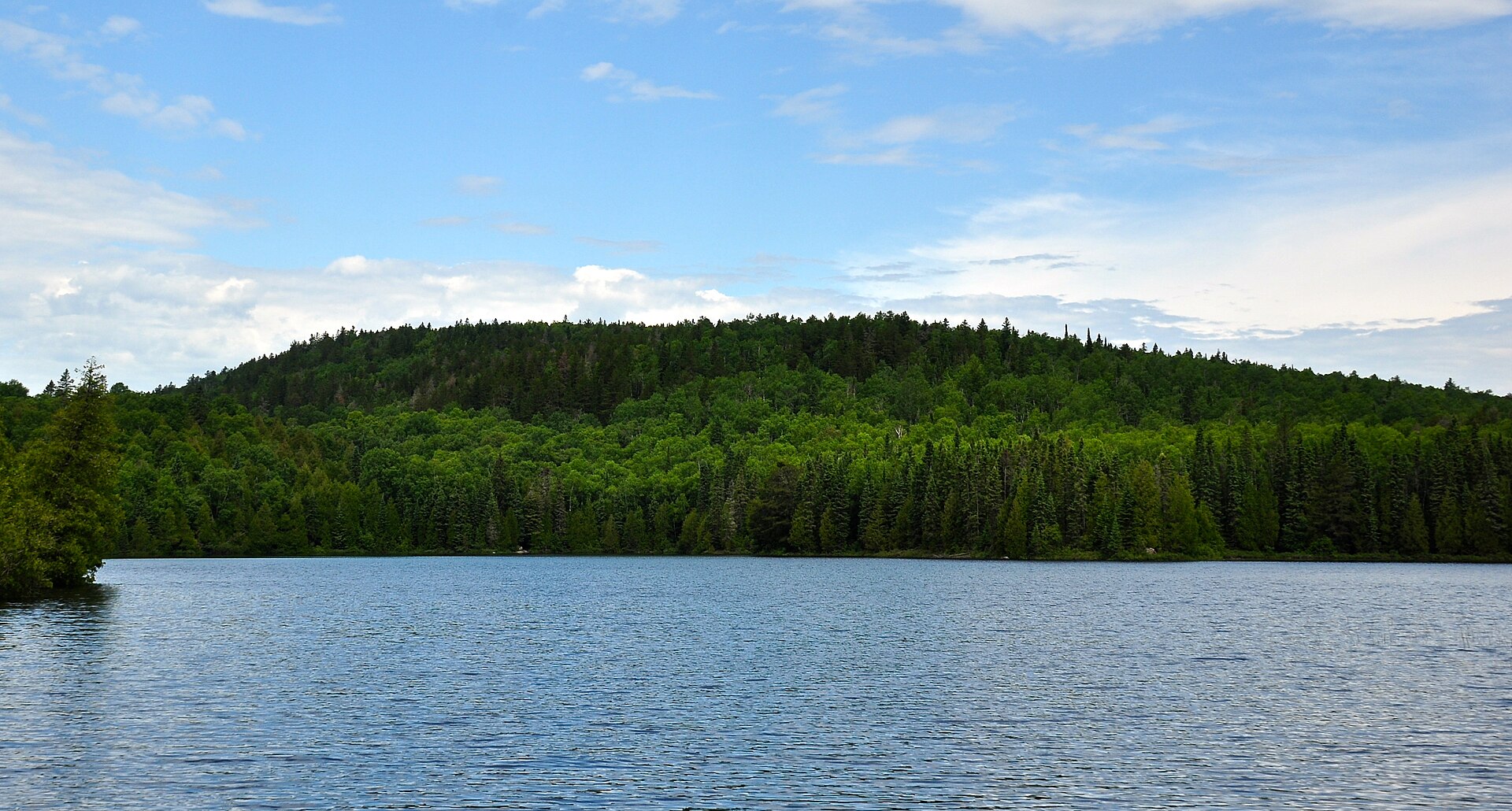
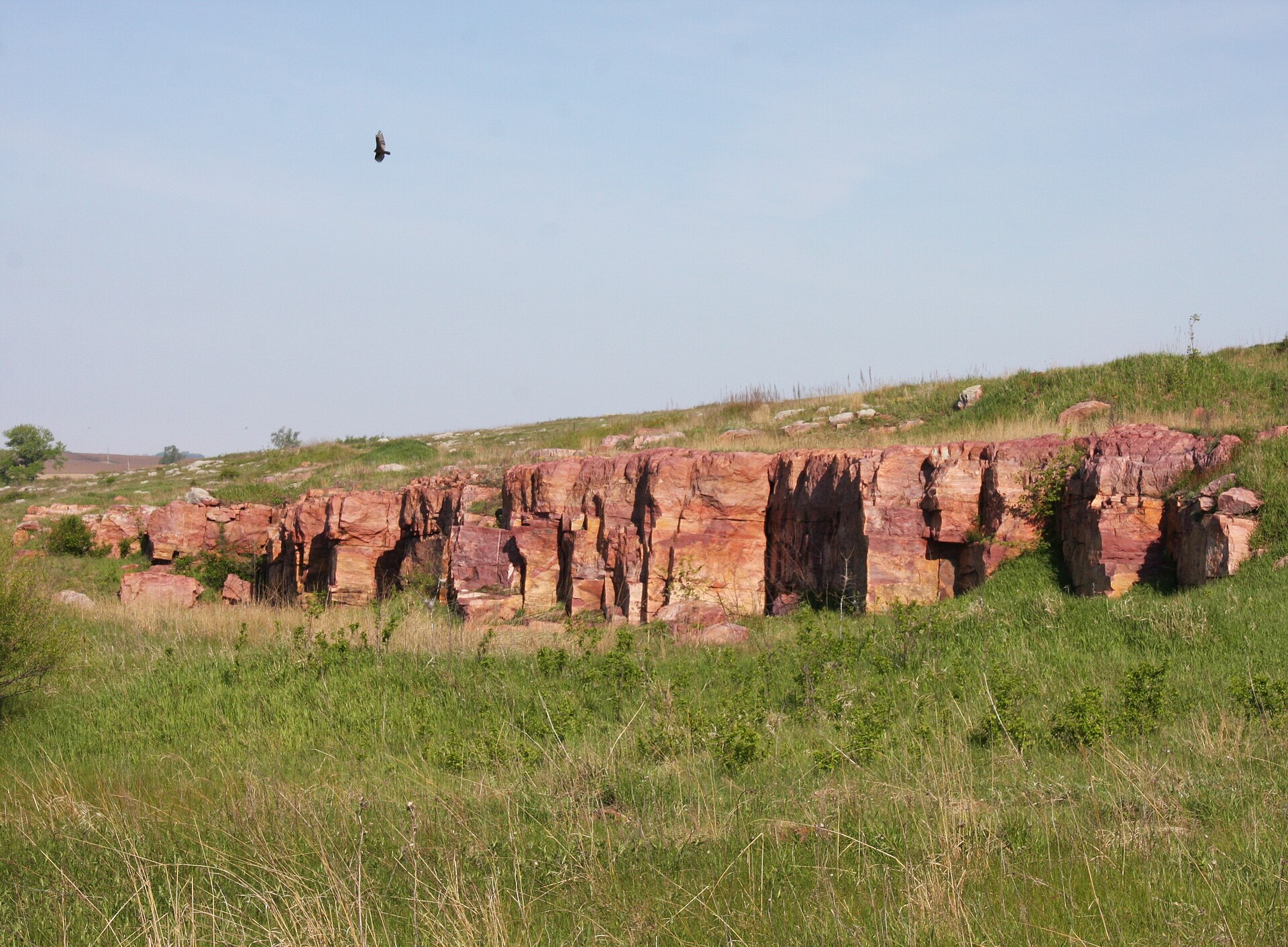
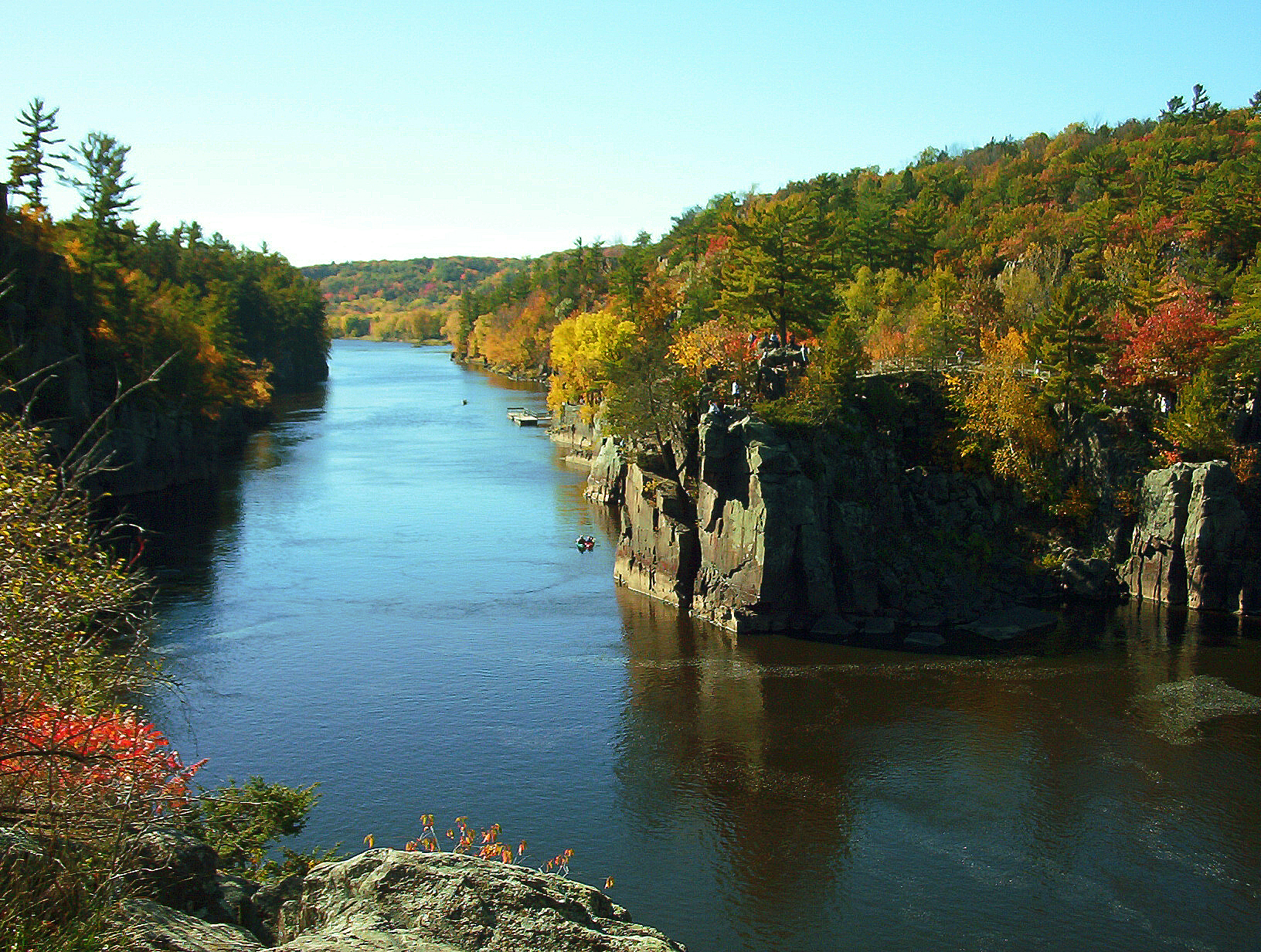
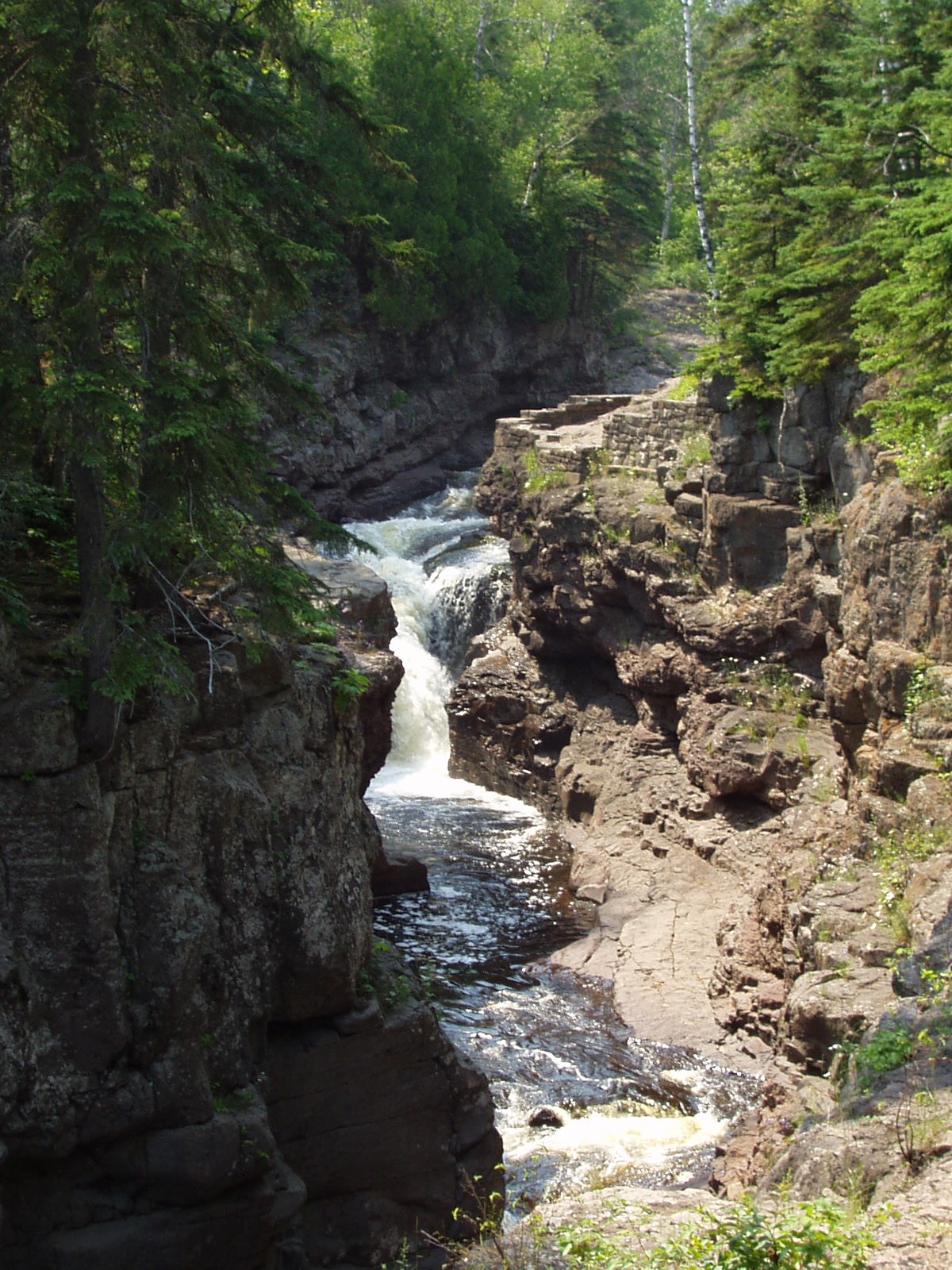
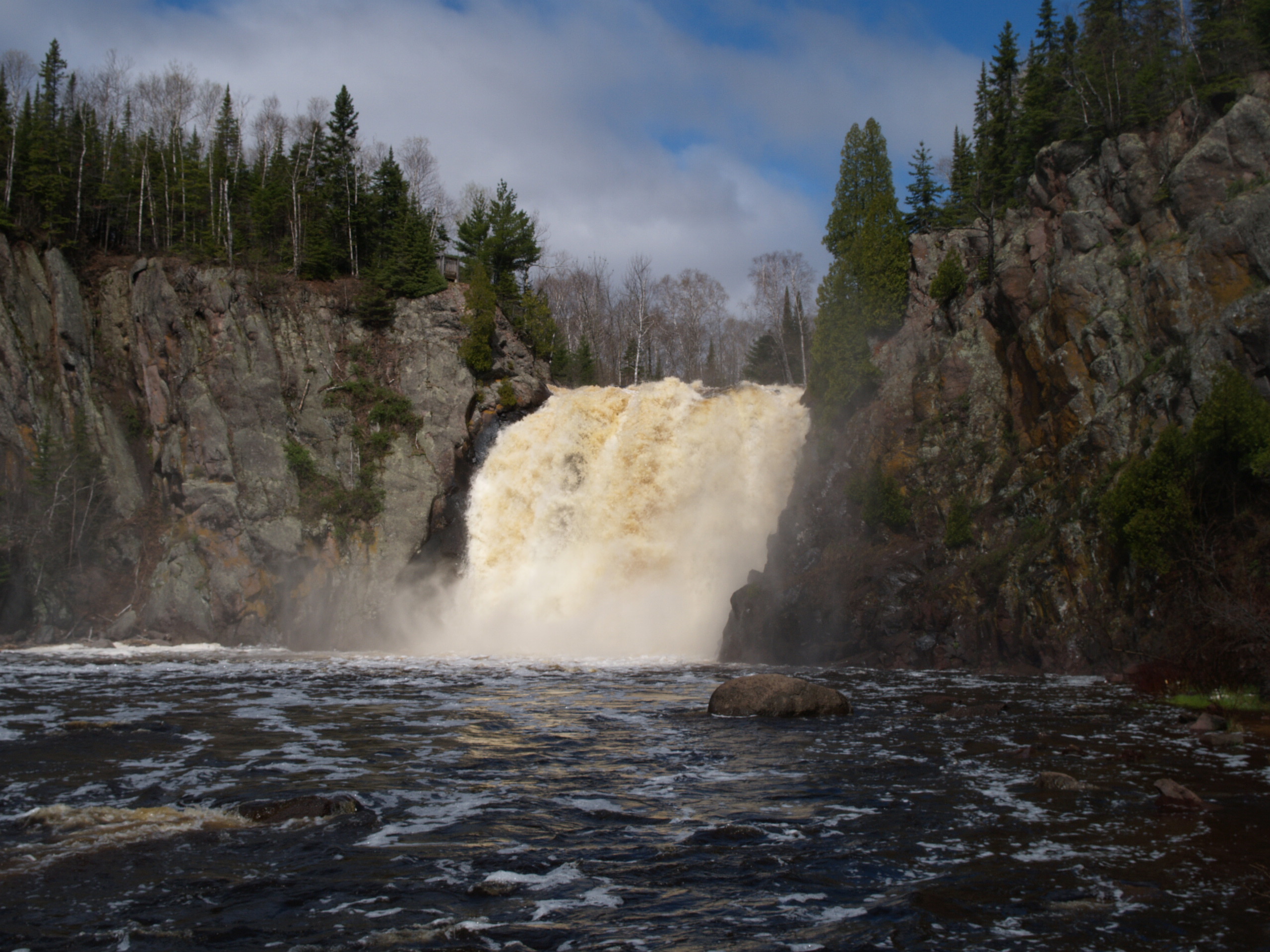
Minnesota’s most notable climbing environments are often found along the North Shore of Lake Superior and in river valley parks where ancient bedrock is exposed. Rugged cliffs, volcanic rock formations, and steep bluffs create dramatic scenery and technical climbing opportunities. These landscapes were shaped by glacial activity and erosion, forming some of the state’s most striking natural features.
Recreation
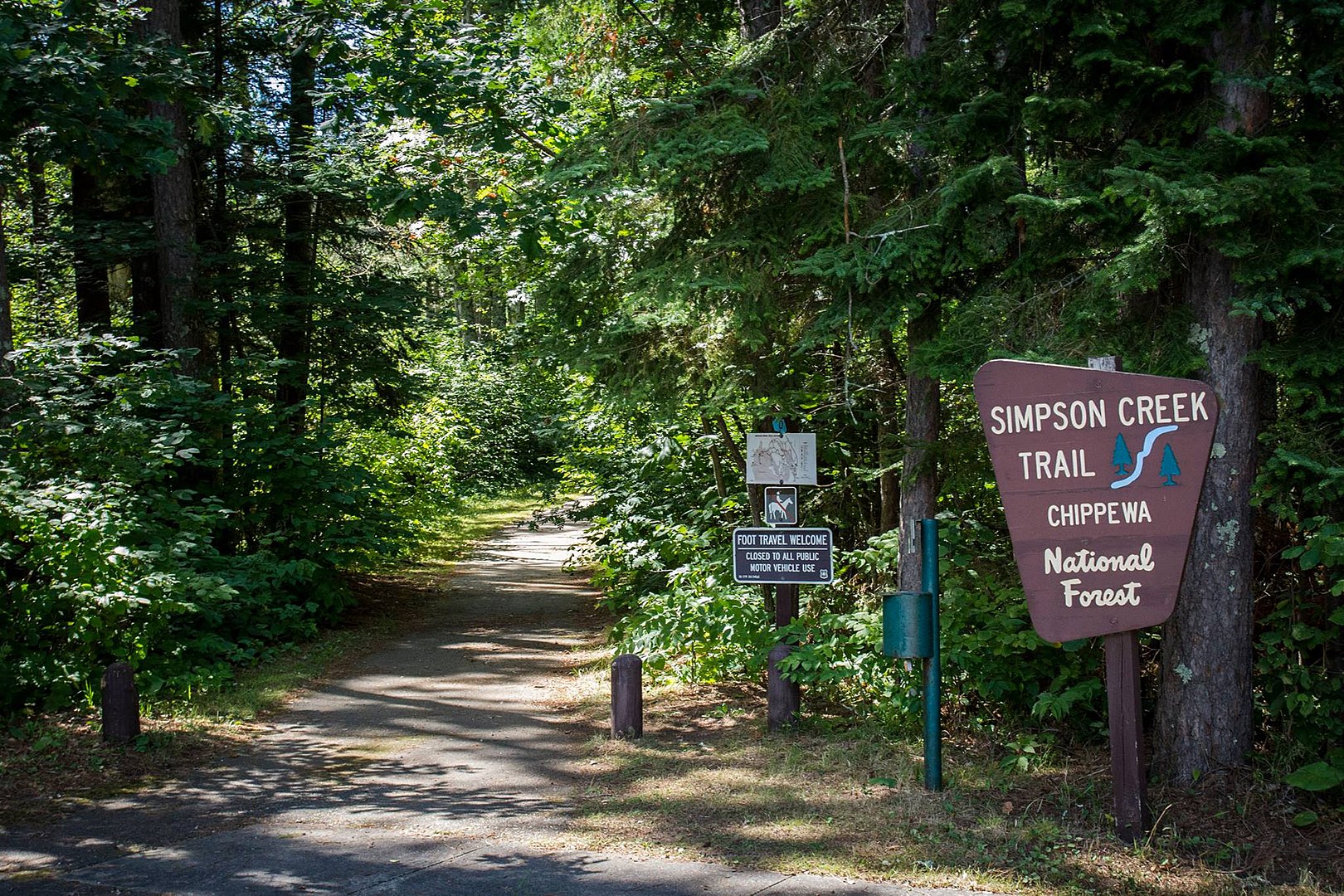
Climbing opportunities in Minnesota parks may include traditional climbing routes, designated rock faces, or scrambling areas. Climbers should review park regulations in advance, as access and permitted activities vary by location. Many climbing areas are located near hiking trails and scenic overlooks, allowing visitors to combine climbing with other outdoor pursuits such as hiking and photography.
History
Minnesota’s rocky landscapes have long attracted explorers and outdoor enthusiasts. As climbing grew in popularity, park management developed guidelines to balance recreational access with habitat protection and safety considerations. Today, designated climbing areas reflect ongoing efforts to preserve natural rock formations while allowing responsible recreation.
Experience Minnesota’s Rugged Terrain
From Lake Superior cliffs to inland rock formations, climbing in Minnesota parks offers a distinctive way to engage with the state’s geology. With proper preparation and respect for park guidelines, climbers can explore some of Minnesota’s most dramatic natural settings.