Superior National Forest
National Forest • MN
Overview
Overview
Superior National Forest covers more than three million acres along Minnesota’s northeastern border with Canada, forming one of the largest and most remote national forests in the eastern United States. Renowned for its rugged terrain and vast wilderness, the forest is best known for protecting the Boundary Waters Canoe Area Wilderness, a globally significant network of lakes and waterways.
Landscape & Geology
Landscape
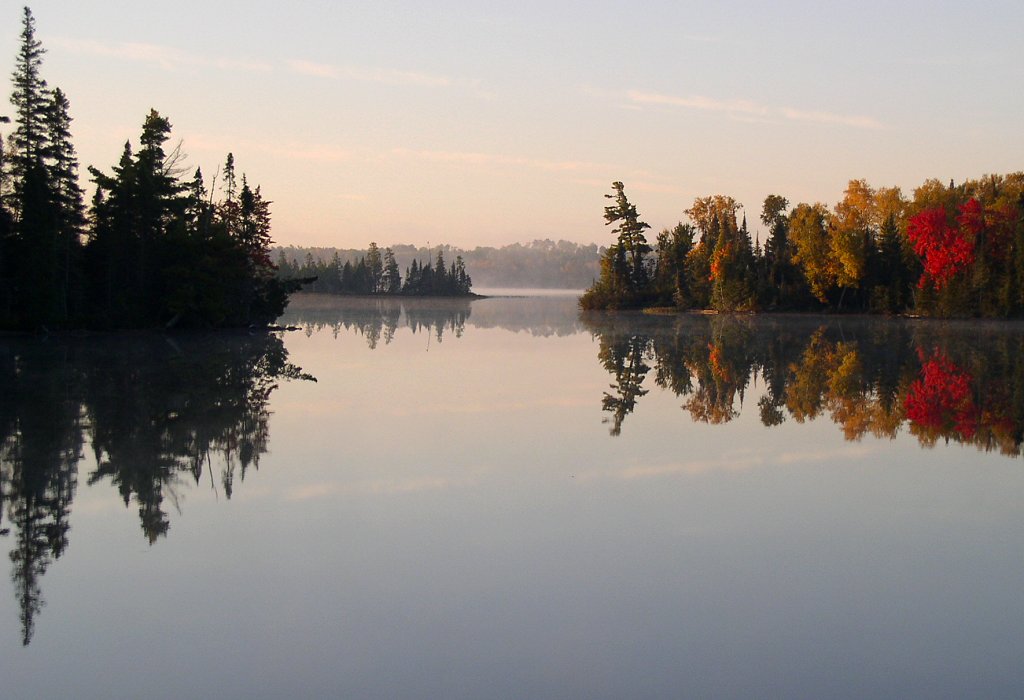
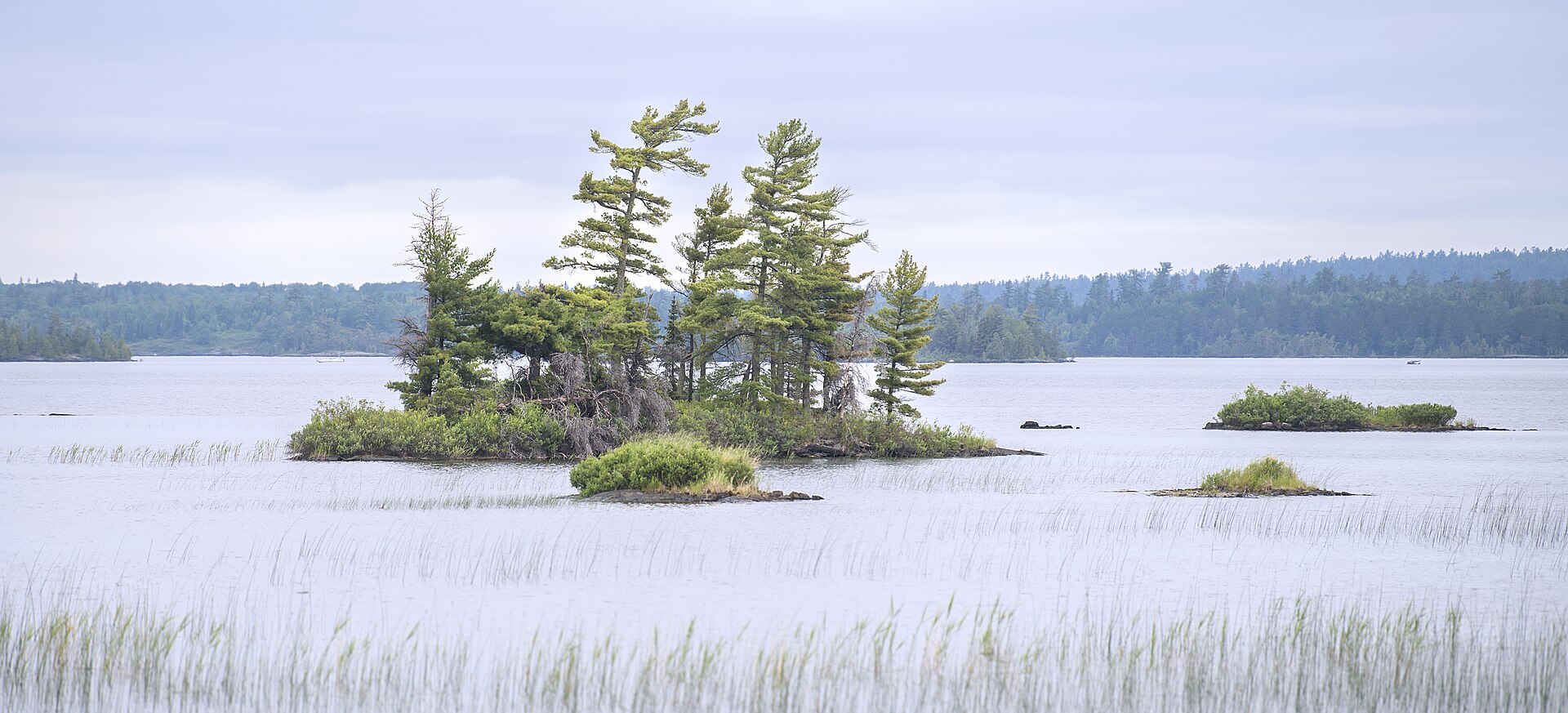
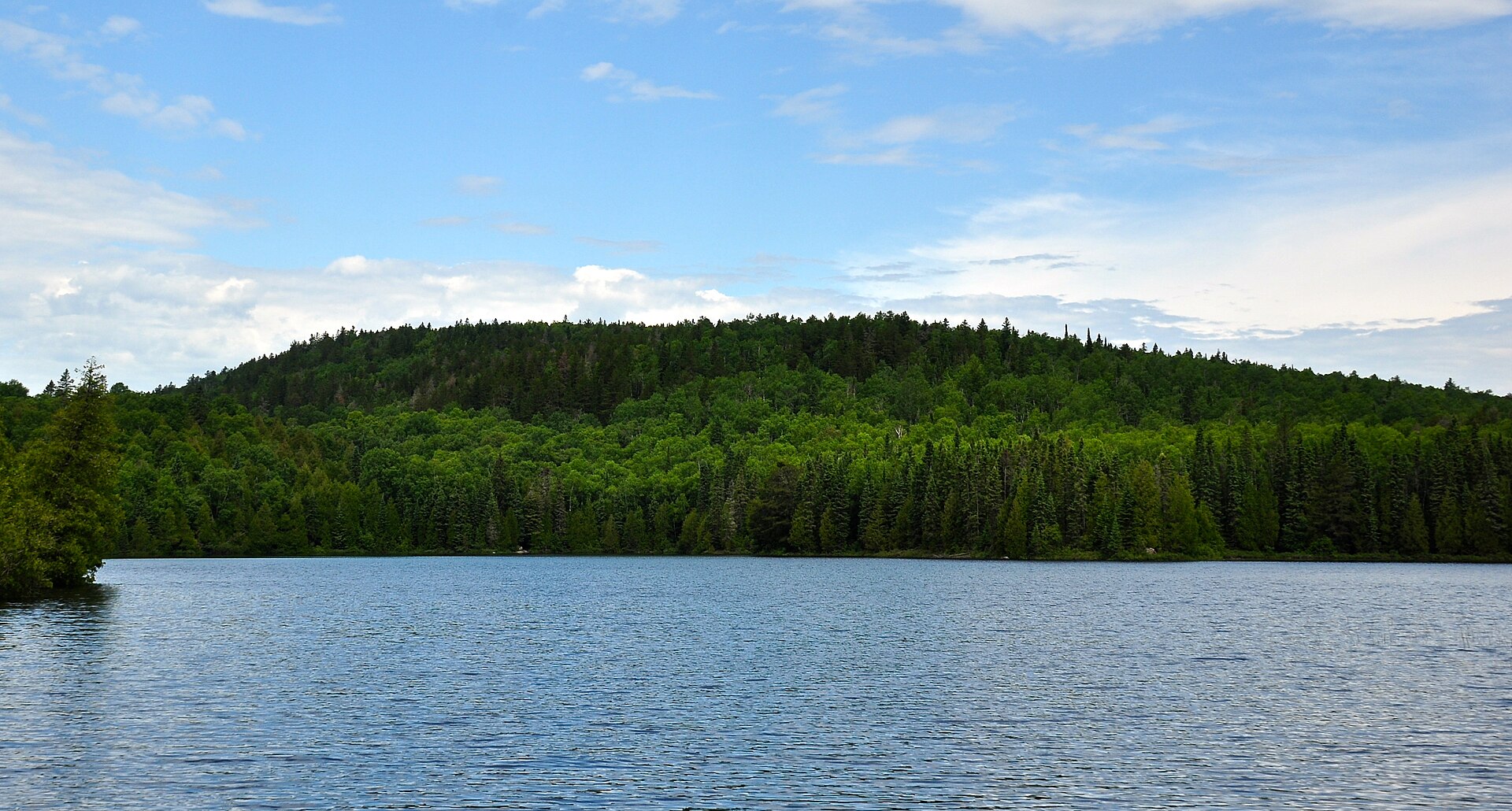
The forest’s landscape is defined by ancient bedrock, rocky ridges, boreal forests, and thousands of lakes formed by glacial activity. Pine, spruce, fir, birch, and aspen dominate the forests, while wetlands and muskeg fill low-lying areas. Clear lakes, exposed granite shorelines, and forested islands create a striking and distinctly northern environment.
Trails & Scenic Views
Trails
Superior National Forest offers an extensive system of hiking, backpacking, and multi-use trails, including long-distance routes such as the Superior Hiking Trail. Trails range from accessible day hikes to remote backcountry paths that traverse ridges, forests, and lakeshores. In winter, many trails support snowshoeing and cross-country skiing.
Recreation
Recreation
Water-based recreation is central to the Superior experience, with canoeing and kayaking serving as primary ways to explore much of the forest. Fishing, camping, wildlife viewing, and scenic driving are also popular, while designated campgrounds and remote backcountry sites provide a range of overnight options. Winter transforms the forest into a destination for snowmobiling, skiing, and ice fishing.
History
History
The region has long been inhabited by Indigenous peoples, including the Ojibwe, whose cultural and spiritual connections to the land and waters continue today. The forest was established in 1909 to protect watersheds, manage timber resources, and preserve access to public lands. Its wilderness character has been carefully managed to balance recreation, conservation, and cultural heritage.
Why Visit
Find Your Next Adventure
Superior National Forest offers one of the most immersive wilderness experiences in the Midwest, defined by solitude, water, and unbroken forest landscapes. Whether paddling remote lakes, hiking rocky ridgelines, or camping beneath boreal skies, the forest provides a powerful sense of remoteness and connection to the natural world.
Activities
 Biking
 Birdwatching
 Boating
 Camping
 Canoeing
 Climbing
 Fishing
 Geocaching
 Hiking
 Hunting
- Kayaking
 Picnicking
 Scenic Driving
 Swimming
- Wildflower Viewing
 Wildlife Viewing
 Winter Activities
- Caving
 Horseback Riding