Grand Portage State Park
State Park • MN
Overview
Overview
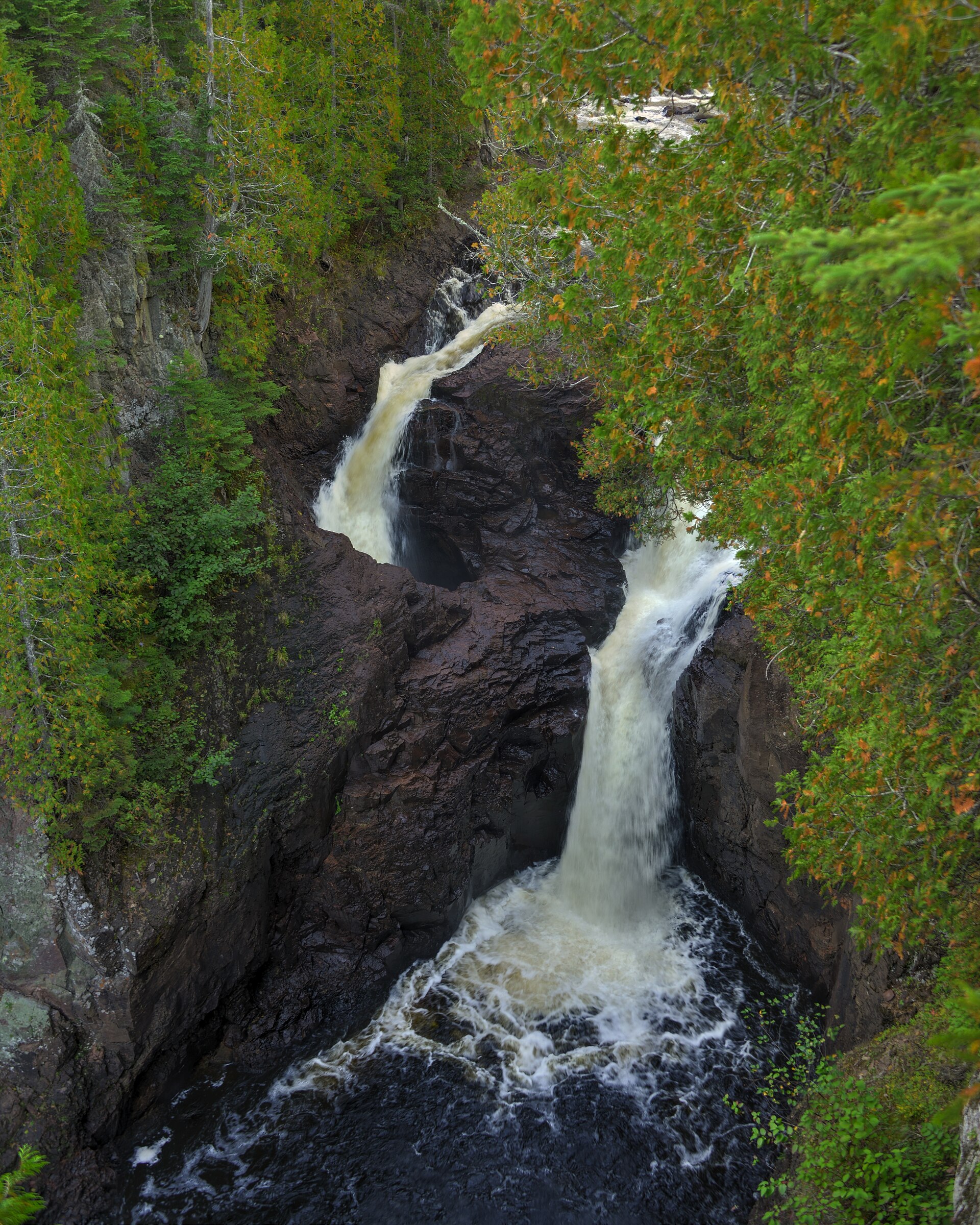
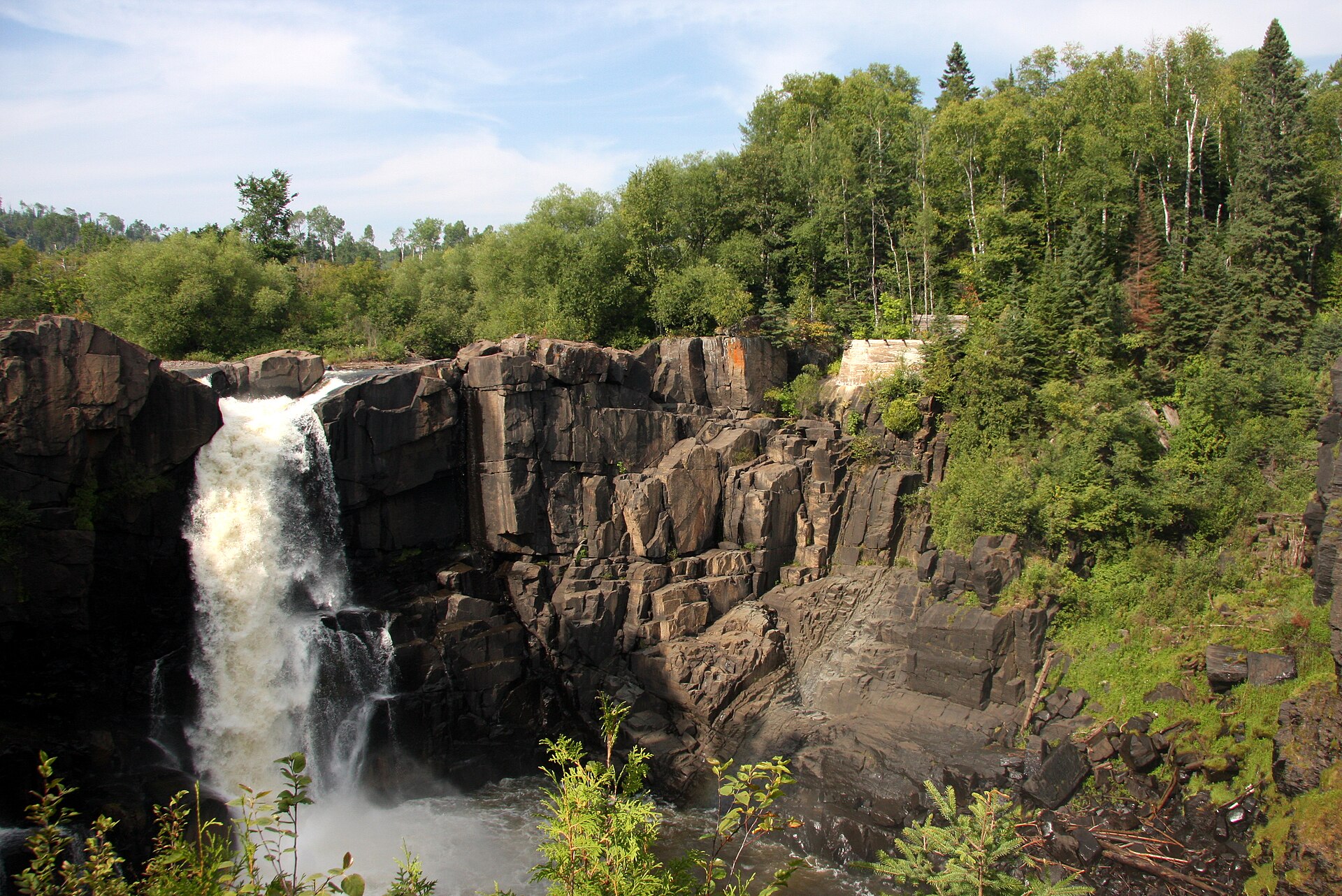
Grand Portage State Park is located at the northeastern tip of Minnesota along the Canadian border and is known for its dramatic waterfall and deep cultural significance. The park protects a rugged stretch of the Pigeon River and features Minnesota’s tallest waterfall, set within a landscape shaped by powerful water and ancient rock.
Landscape & Geology
Landscape
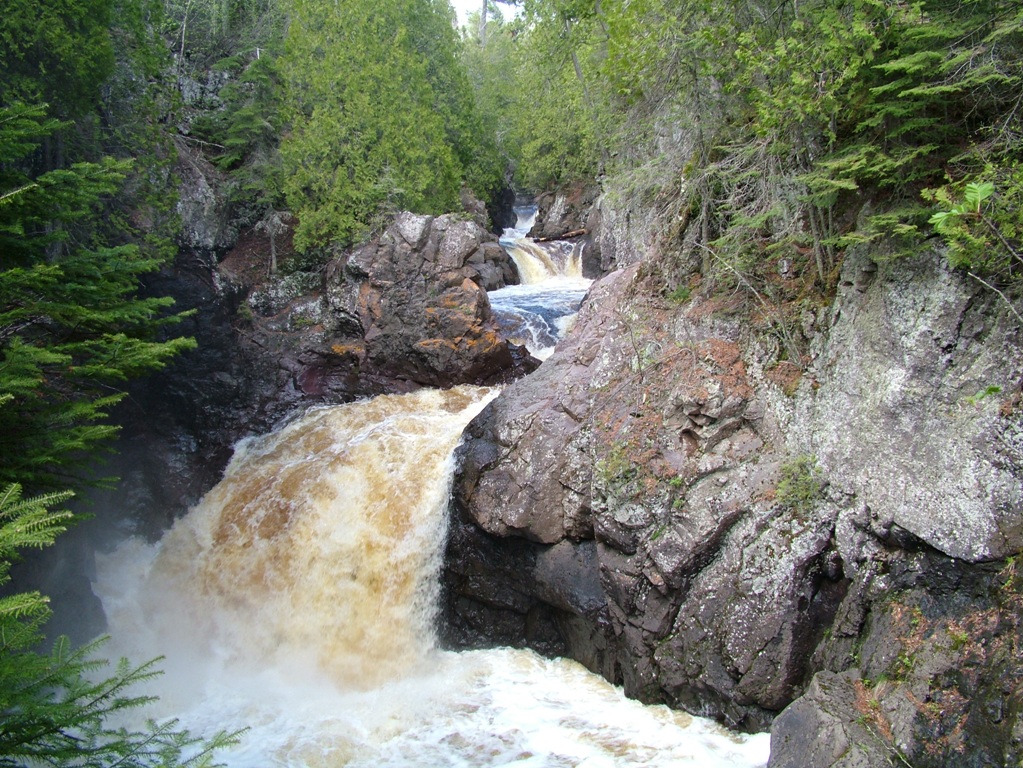
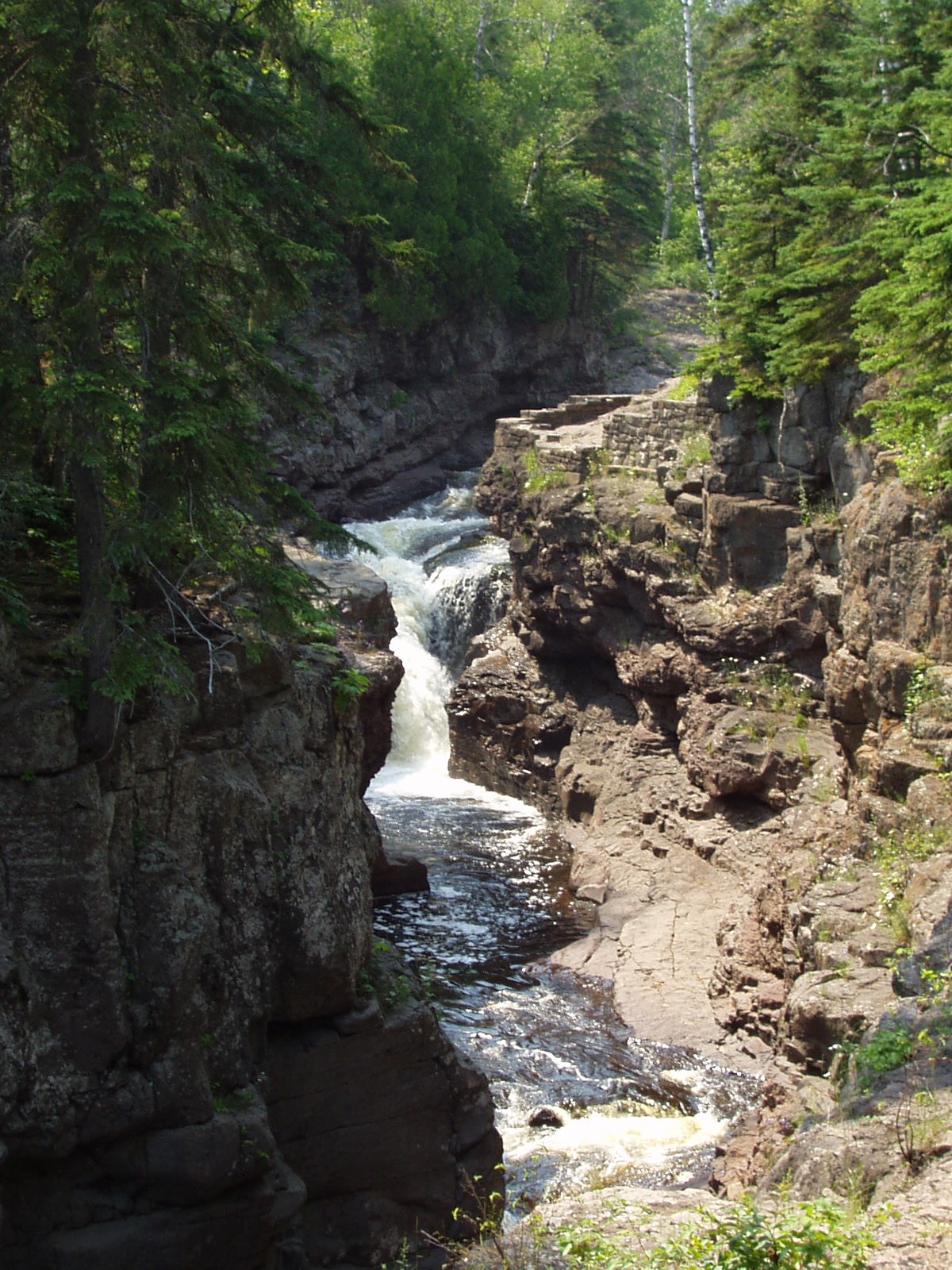
The park’s landscape is defined by the Pigeon River as it flows through a steep gorge carved into volcanic bedrock. High cliffs, rocky outcrops, and dense boreal forest surround the river corridor, creating a remote and striking setting. The river’s force culminates at High Falls, where water plunges over dark basalt ledges.
Trails & Scenic Views
Trails
Grand Portage State Park offers a short but scenic hiking trail that follows the Pigeon River to High Falls. The trail is well maintained and includes boardwalks and overlooks that provide safe access to dramatic viewpoints. Its relatively easy terrain makes the park accessible to a wide range of visitors.
Recreation
Recreation
Recreation at the park focuses on hiking, photography, sightseeing, and wildlife observation. The waterfall and river gorge are the primary attractions, offering impressive views in all seasons. Winter visits provide a quieter experience, with frozen landscapes and snow-covered forests adding to the park’s atmosphere.
History
History
The area holds deep significance for the Grand Portage Ojibwe, whose history and culture are closely tied to the land and waterways. The nearby Grand Portage was a vital route for Indigenous travel and later for the fur trade. Grand Portage State Park was established in partnership with the Grand Portage Band to protect both the natural and cultural heritage of the area.
Why Visit
Find Your Next Adventure
Grand Portage State Park offers a powerful blend of natural beauty and cultural meaning, highlighted by the state’s tallest waterfall and a dramatic river gorge. Whether visiting for the scenery, history, or quiet reflection, the park provides a memorable and deeply rooted North Shore experience.
Activities
 Waterfalls
 Hiking
 Picnicking
 Wildlife Viewing
 Winter Activities