Isle Royale National Park
National Park • MI
Overview
Overview
Isle Royale National Park is a remote wilderness park set within Lake Superior, accessible only by boat or seaplane. Comprised of a long, narrow island and hundreds of smaller surrounding islands, the park is defined by isolation, silence, and a deep sense of immersion in nature. It is one of the least visited national parks in the continental United States, offering an experience that feels far removed from everyday life.
Landscape & Geology
Landscape
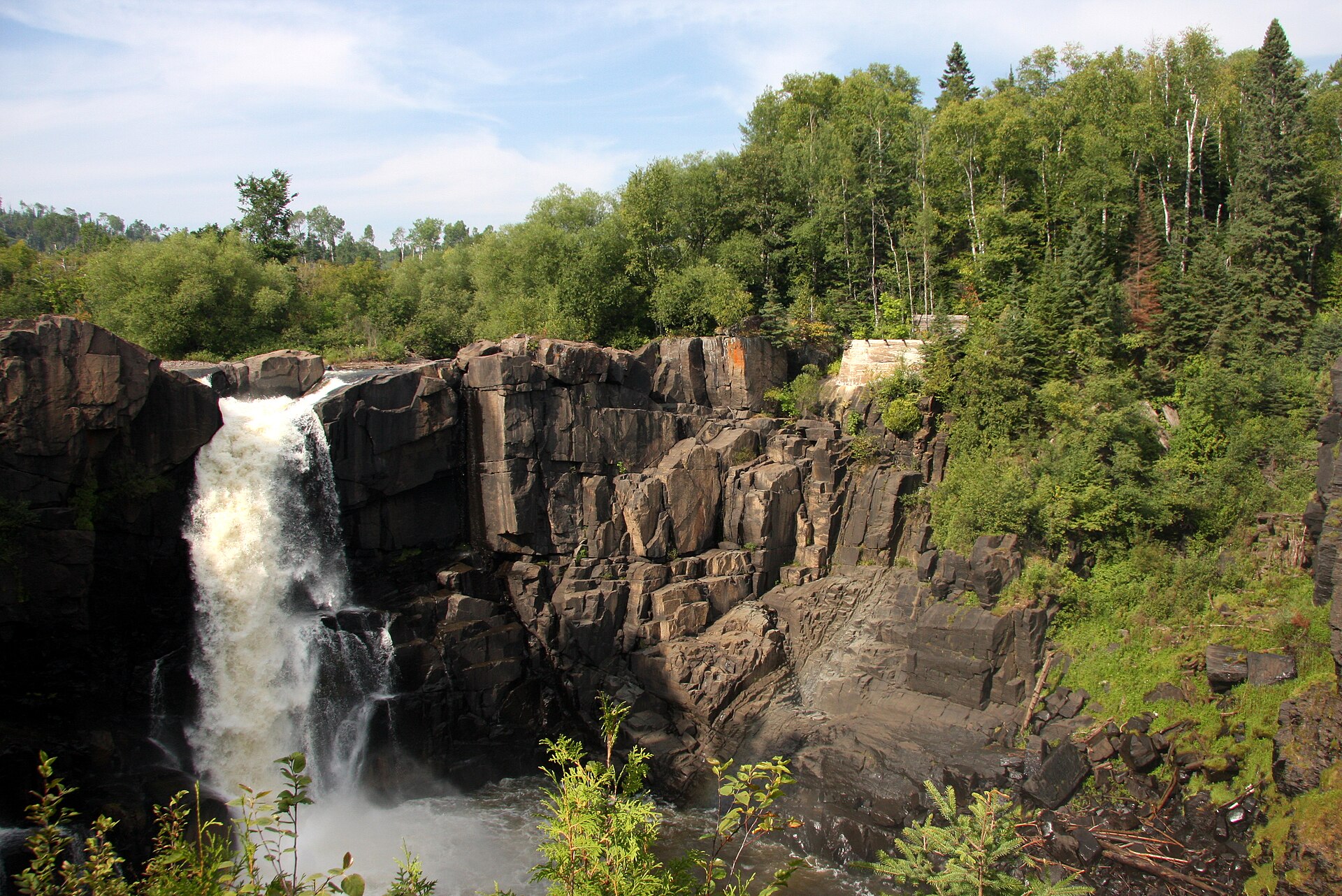
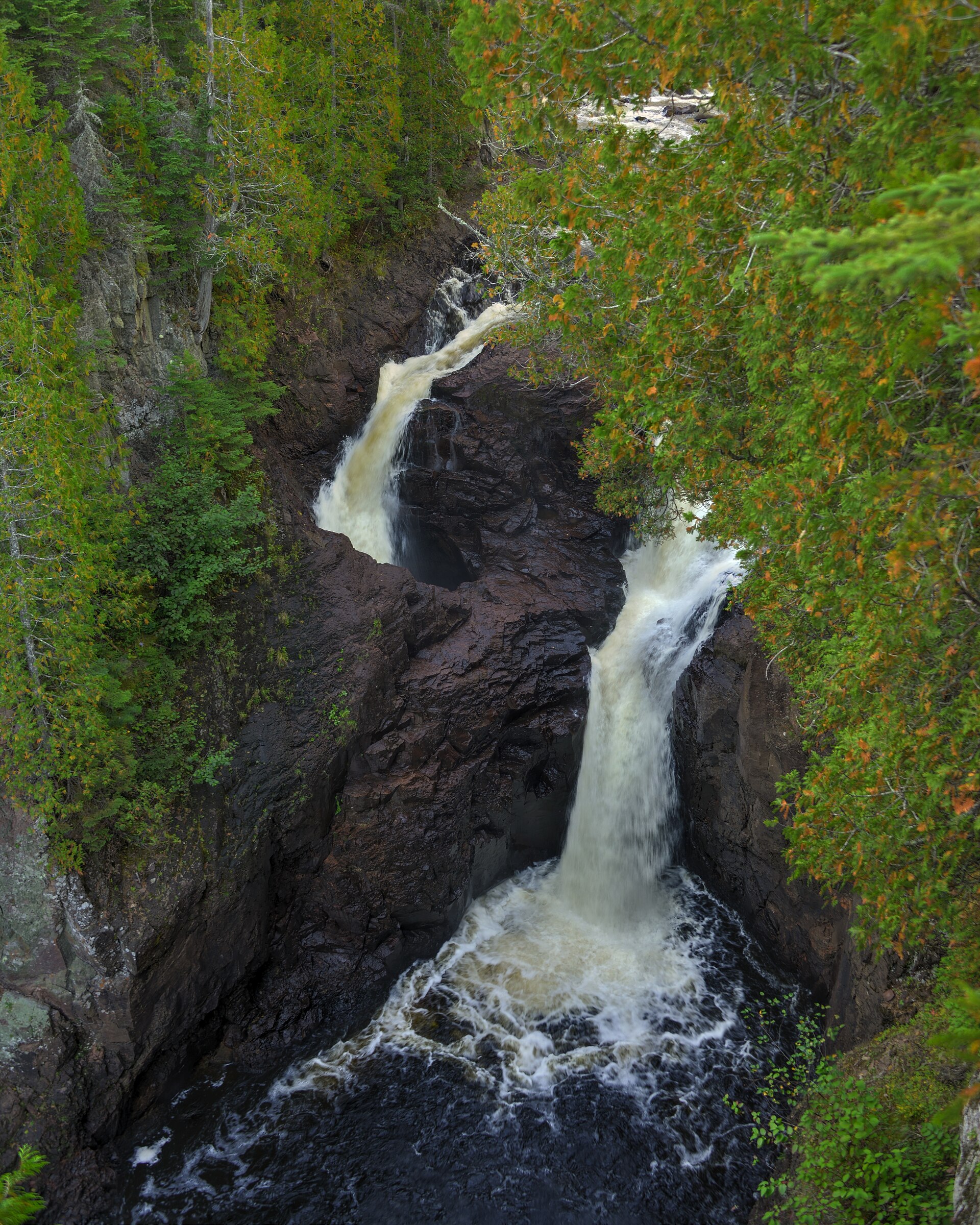
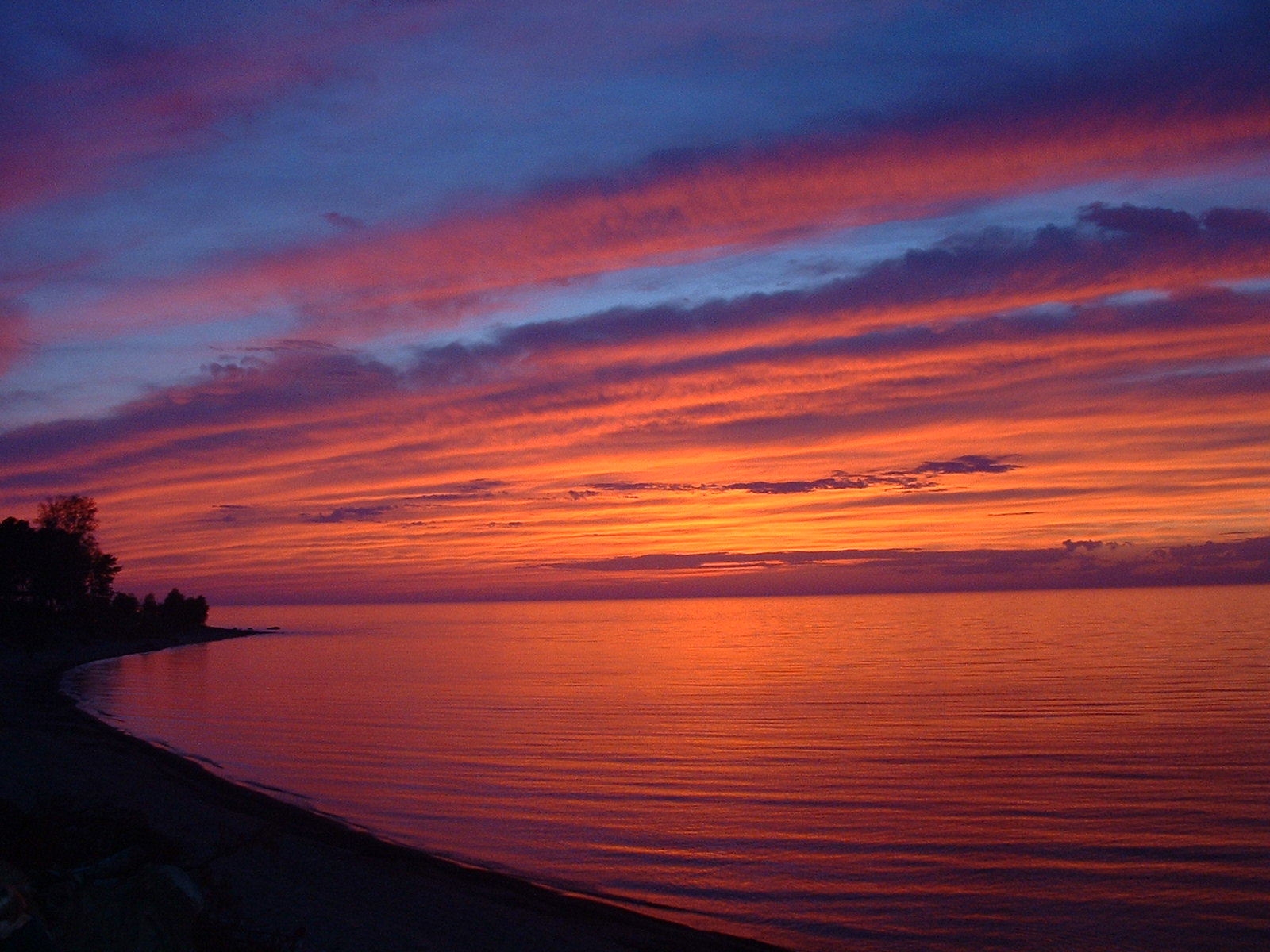
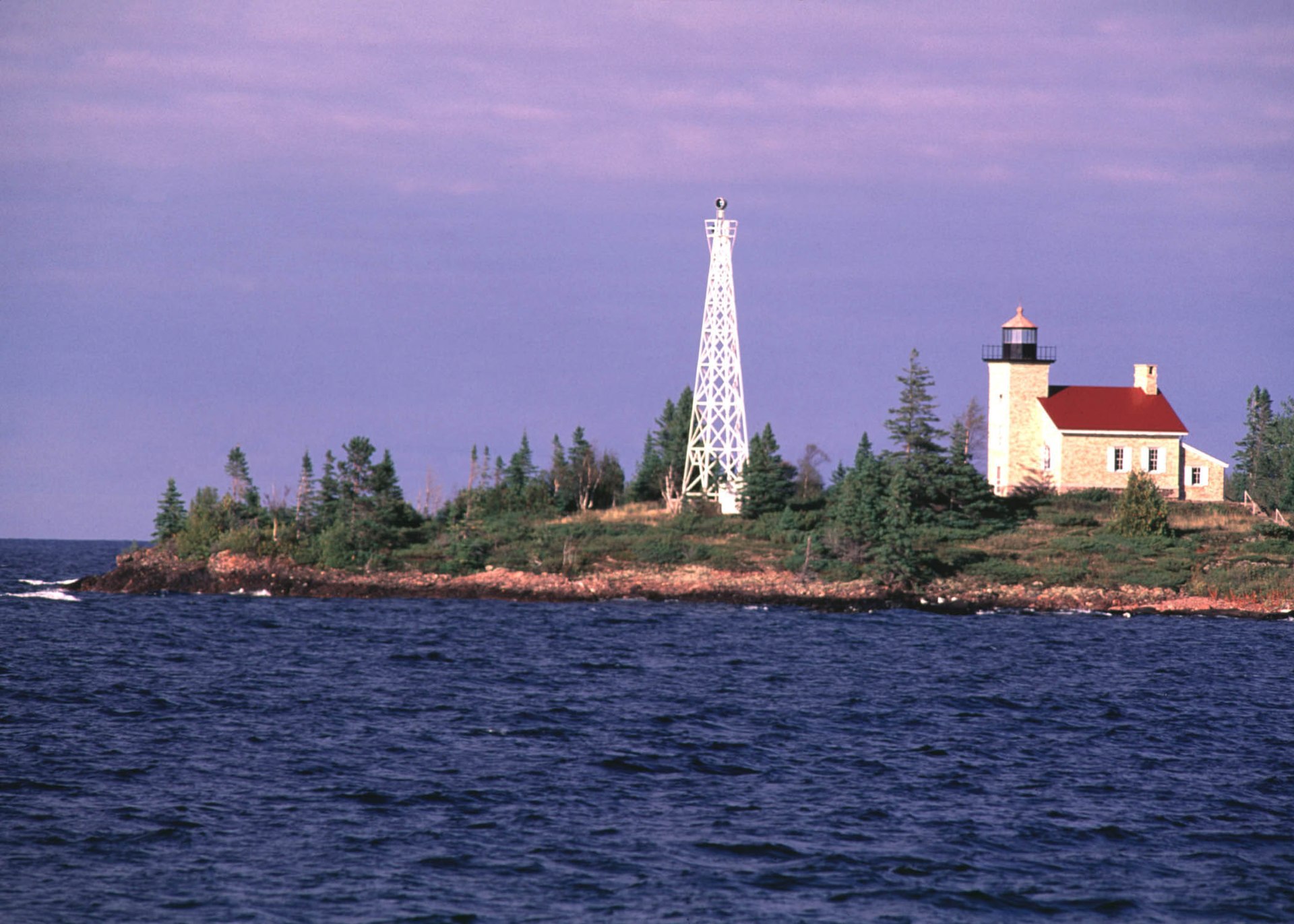
The island’s rugged backbone is formed by ancient volcanic ridges running lengthwise, creating a series of rocky spines, inland lakes, wetlands, and dense boreal forest. Shorelines alternate between jagged cliffs, cobble beaches, and quiet bays, while the interior feels wild and enclosed. Weather and light change quickly on Lake Superior, giving the landscape a moody, ever-shifting character.
Trails & Scenic Views
Trails
Isle Royale features an extensive backcountry trail system designed primarily for backpacking. Trails connect remote campgrounds, inland lakes, and scenic overlooks, with routes ranging from short hikes to multi-day traverses across the island. Conditions can be rugged, with rocky footing and limited amenities, reinforcing the park’s wilderness focus.
Recreation
Recreation
Backpacking and wilderness camping are the park’s primary activities, supported by designated campgrounds and shelters. Paddling and boating are popular along the island’s shoreline and inland lakes, while fishing is available in Lake Superior and select interior waters. Wildlife viewing is a major draw, with opportunities to observe moose, foxes, loons, and other species in a largely undisturbed ecosystem.
History
History
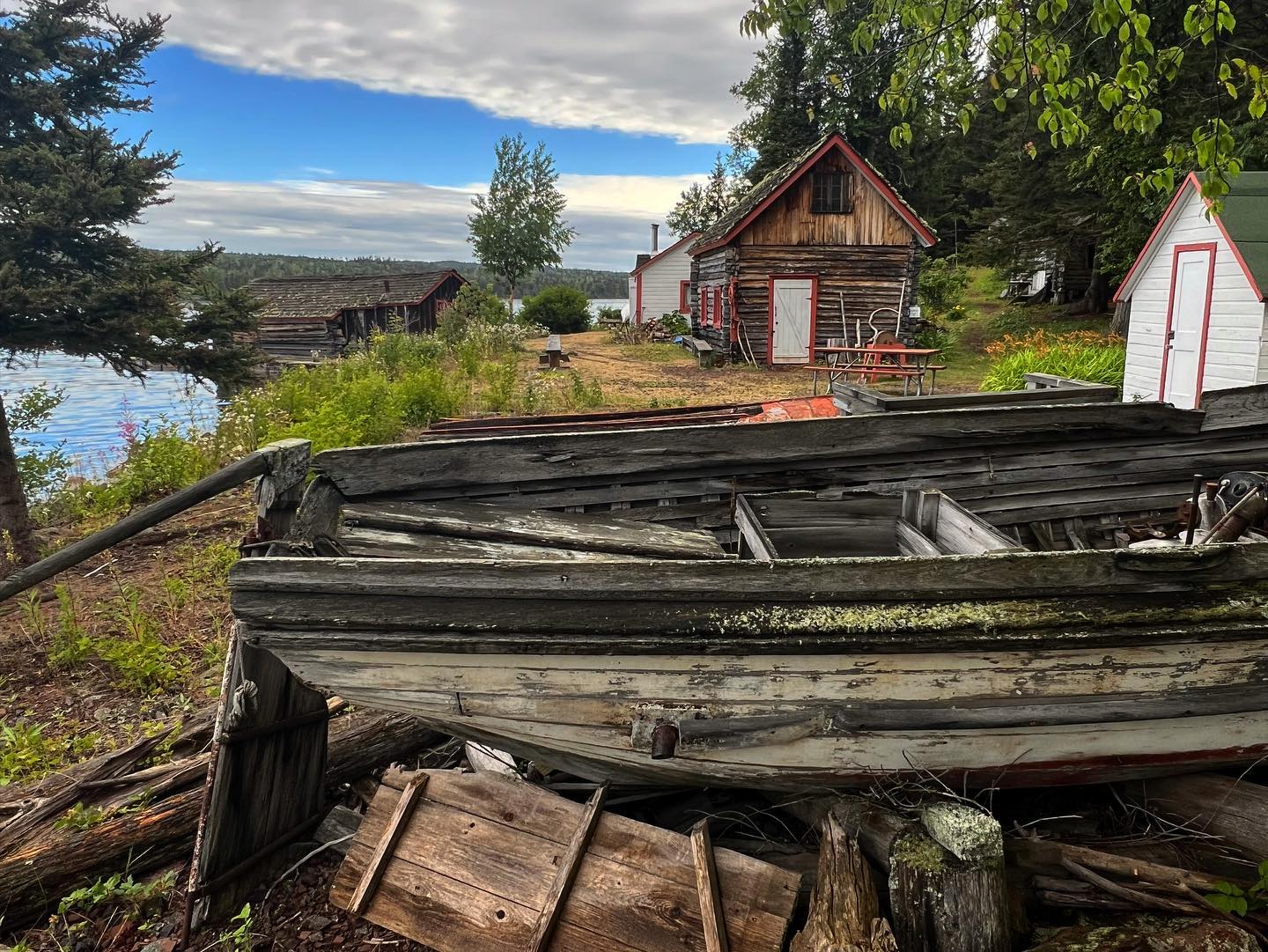
Isle Royale has a long human history that includes Indigenous use, early copper mining, commercial fishing, and isolated homesteads. In the 20th century, it became a national park and later gained recognition for its long-running predator–prey research involving wolves and moose. This research has helped shape modern ecological understanding and management practices.
Why Visit
Find Your Next Adventure
Isle Royale National Park is best suited for visitors seeking solitude, challenge, and a true wilderness experience. With limited access, minimal development, and a strong emphasis on self-reliance, the park offers a rare opportunity to disconnect and experience Lake Superior’s most remote and introspective landscape.
Activities
 Canoeing
 Fishing
 Historic Place
 Kayaking
 Scuba Diving
 Wildlife Viewing