George H. Crosby Manitou State Park
State Park • MN
Overview
Overview
George H. Crosby Manitou State Park is located along Minnesota’s North Shore of Lake Superior and is known for its rugged terrain, deep river valleys, and remote wilderness character. Often considered one of the state’s most challenging parks, it offers a backcountry experience focused on solitude, steep trails, and dramatic scenery.
Landscape & Geology
Landscape
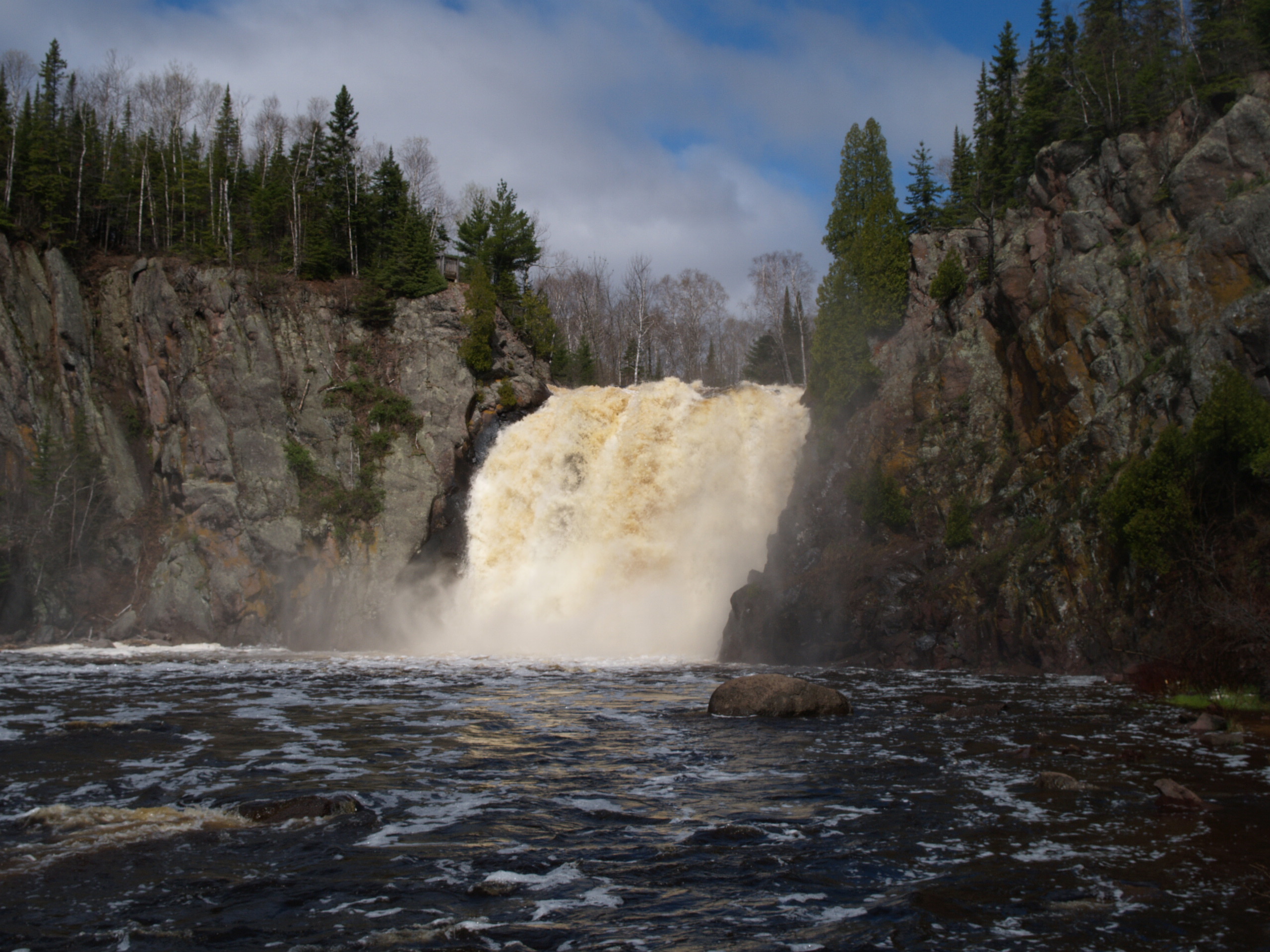
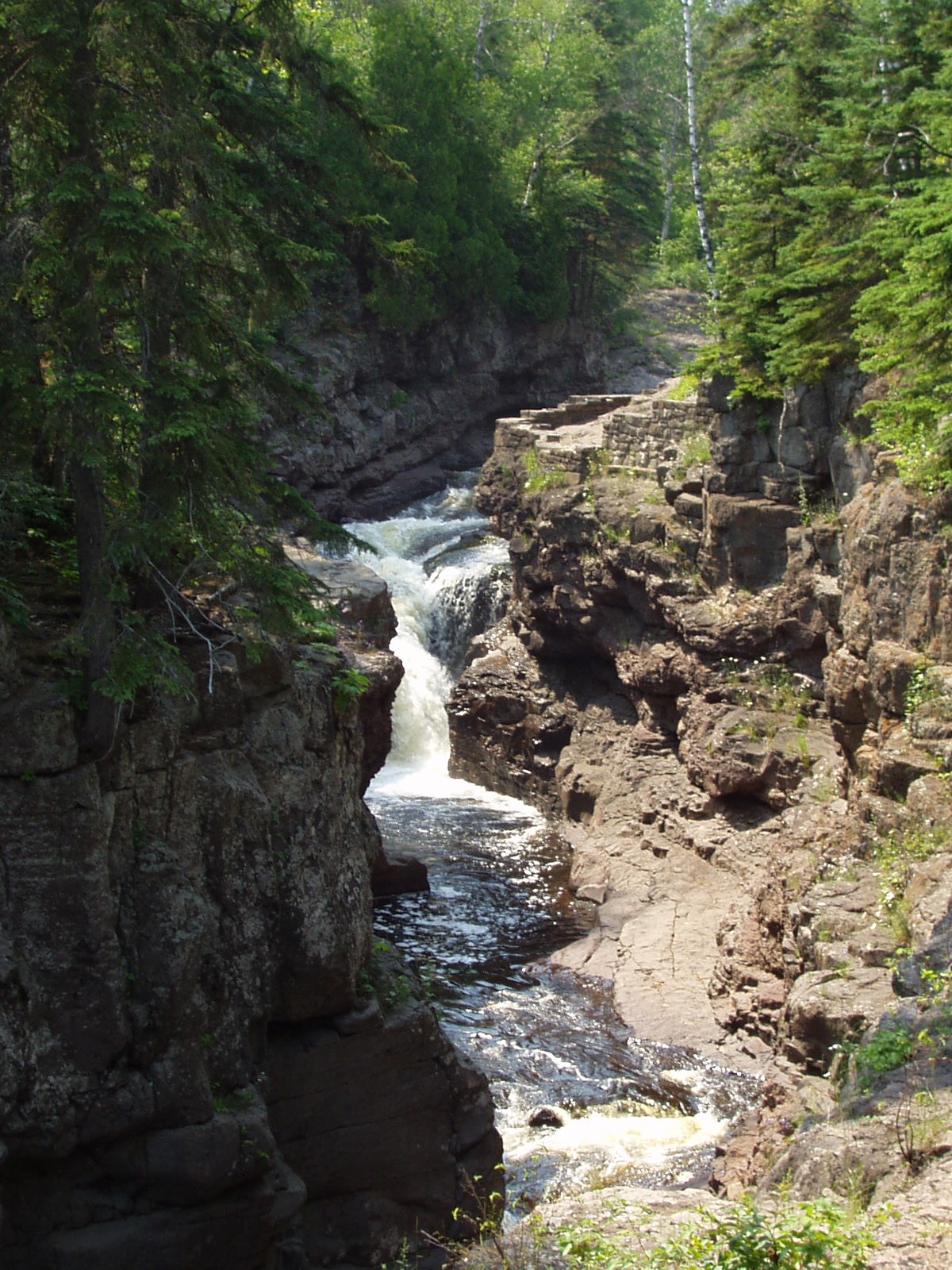
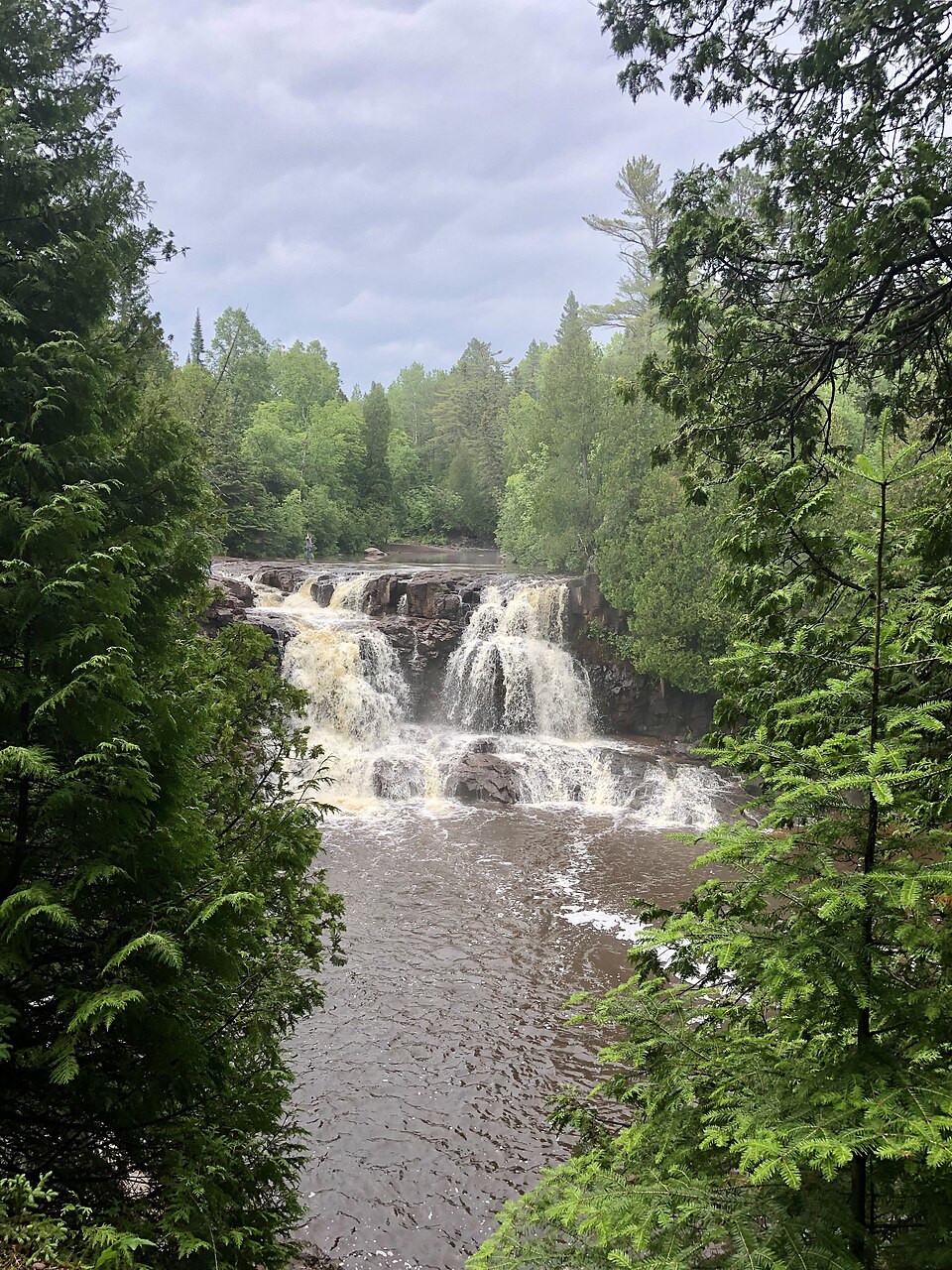
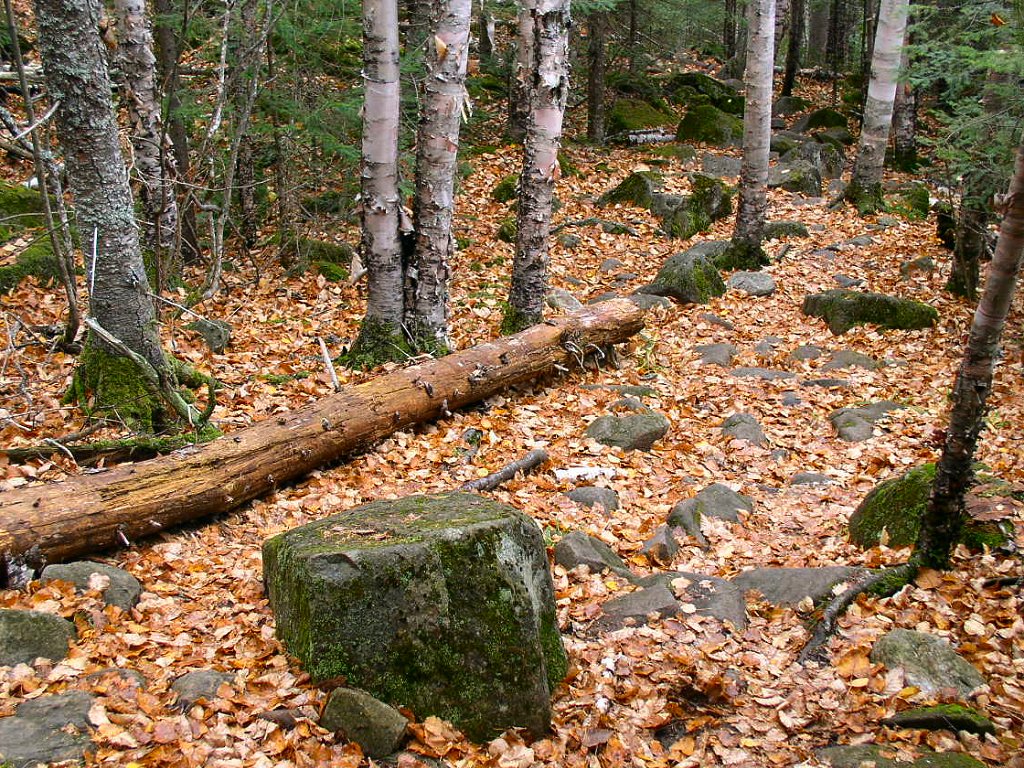
The park’s landscape is shaped by the Manitou River as it cuts through ancient volcanic rock, creating steep gorges, waterfalls, and rocky ridges. Dense forests of spruce, fir, birch, and aspen cover the terrain, while exposed bedrock and narrow valleys add to the park’s wild character. Elevation changes are significant, giving the park a rugged and demanding feel.
Trails & Scenic Views
Trails
George H. Crosby Manitou State Park features a challenging trail system designed for experienced hikers and backpackers. Trails are often steep, rocky, and minimally developed, with long climbs and descents through forested terrain and river valleys. Portions of the Superior Hiking Trail pass through the park, further emphasizing its backcountry nature.
Recreation
Recreation
Recreation at the park centers on hiking, backpacking, primitive camping, and wildlife observation. The park offers a small number of remote campsites accessible only by foot, reinforcing its wilderness focus. Winter use is limited and typically reserved for experienced visitors due to terrain and conditions.
History
History
The park is named after George H. Crosby, a conservationist and former Minnesota state auditor who supported the protection of wild lands along the North Shore. George H. Crosby Manitou State Park was established to preserve a rugged and undeveloped landscape, offering an opportunity for low-impact recreation in a setting largely free of modern infrastructure.
Why Visit
Find Your Next Adventure
George H. Crosby Manitou State Park offers one of Minnesota’s most demanding and rewarding outdoor experiences. For visitors seeking solitude, steep trails, and unspoiled North Shore wilderness, the park provides a powerful sense of remoteness and connection to the land.
Activities
 Camping
 Wildlife Viewing
 Hiking
 Waterfalls
 Picnicking
 Boating
 Canoeing
 Kayaking